
Spielplan


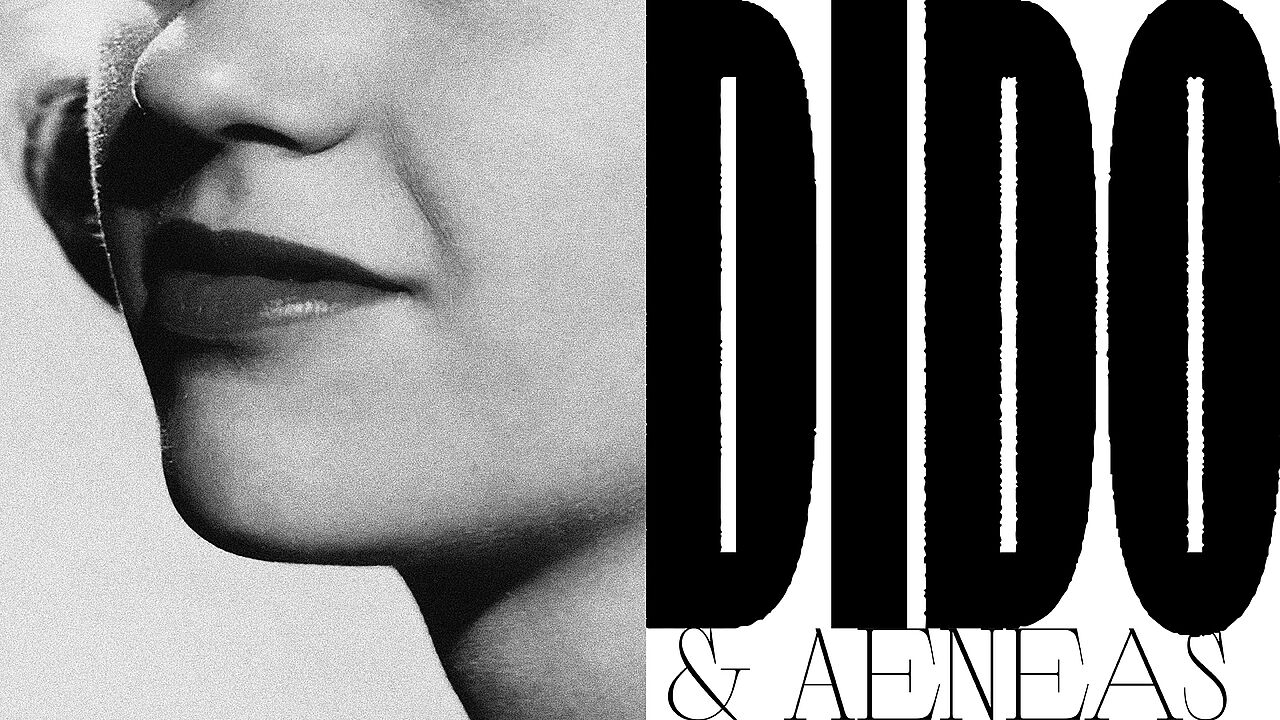
Dido and Aeneas – Scenes for a new age
English version below
Purcells Oper DIDO UND AENEAS von 1689 ist geradezu der Stereotyp einer barocken Oper. Eine mythologische Handlung, eine unerfüllbare Liebe, Intrigen und dämonische Zauber, majestätische französische Ouvertüren, Chöre, Tänze und herzzerreißende Lamenti. Das alles in nur einer Stunde Spielzeit und mit interpretatorischer Offenheit: Die verlorenen Fragmente von Purcells Oper bieten die Möglichkeit, die Lücken zu füllen.
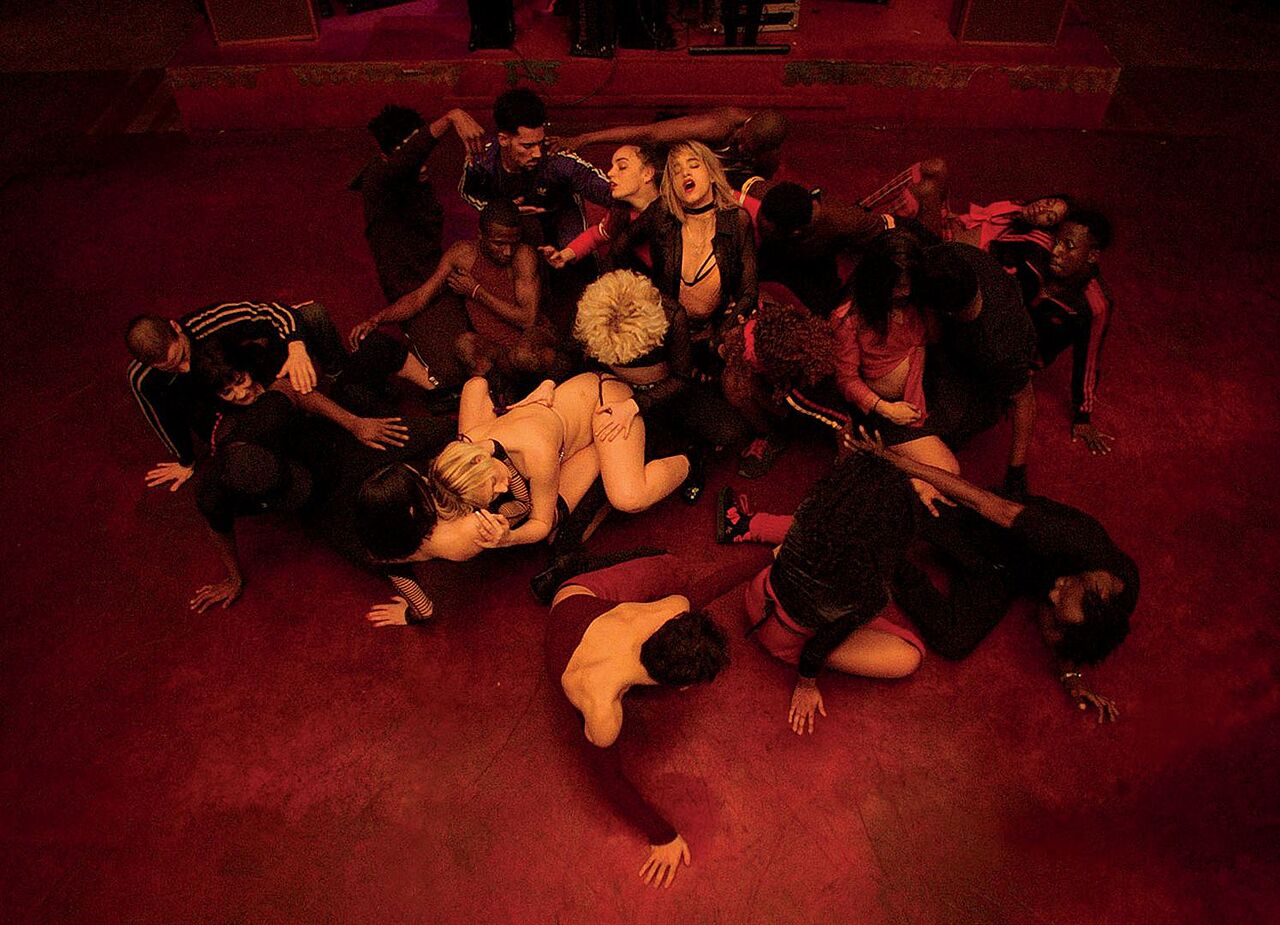
Im Mittelpunkt des Ansatzes des Ensemble Lachrymae zur Oper DIDO UND AENEAS steht der Kontext, in dem Purcell sie komponierte: Er schrieb sie für die jungen Schülerinnen einer Mädchenschule in Chelsea, die von Josias Priest, einem Choreografen und Tanzlehrer, geleitet wurde. Deshalb sind an der Produktion auch junge Streetdancer des Schulensembles Tanz am Taro beteiligt.
Die Wahl von Gedichten von Sylvia Plath für die neu komponierten Abschnitte ermöglicht es, Themen zu erforschen, die für junge Menschen heute besonders relevant sind. Plath ist eine Ikone der feministischen Poesie, eine junge Frau, deren Tod das tragische Schicksal der Heldin der Oper, Dido, widerspiegelt.
In Didos berühmtem Lamento „Remember me“ am Ende der Oper präsentiert Purcell eine verletzte Frau, die ihr ganzes Glück an die romantische Liebe knüpft und nicht akzeptieren kann, dass ihre Liebe unvollkommen ist. Für ihre Entscheidung, sich das Leben zu nehmen, reicht die Tatsache, dass Aeneas sie verlassen würde. Porträtiert Purcells Oper ein englisches Mädchen aus dem 17. Jahrhundert oder eine mächtige Königin aus der Antike, die Gründerin Karthagos? In Vergils Originalgedicht ist Dido eine starke Frau, die ihre Unabhängigkeit verteidigt. Sie befindet sich im Konflikt mit vielen Armeen, die ihr Karthago umzingeln. Der Verlust von Aeneas schwächt ihre politische Position.
Die begabte und lebhafte Sylvia Plath war ein Wunderkind mit einem IQ auf Genie-Niveau und eine ehrgeizige Schriftstellerin. Dennoch wird sie oft nur als eine hübsche, traurige Dichterin gesehen, die ihr Leben früh beendete. Es ist nicht allgemein bekannt, dass Sylvia Plath Opfer der brutalen Psychiatrie der 1960er Jahre wurde. Die Depression, in der sie nach der in „Die Glasglocke“ beschriebenen Reise nach New York verfiel, wurde von Ärzten mit Elektroschocktherapie behandelt. Die Behandlung wurde ohne Betäubung durchgeführt und könnte durchaus zu einer posttraumatischen Belastungsstörung geführt haben. Danach hatte Sylvia Plath Angst davor, erneut ins Krankenhaus eingeliefert zu werden. Als die Depression zurückkehrte – nach der Geburt von zwei Kindern und der Untreue ihres Mannes, eines Dichters, der ihr gegenüber körperlich gewalttätig war – entschied sie sich für den Selbstmord.
Dido – Johanna Jäger
Aeneas – Anton Haupt
Belinda / Hexe – Laurenzia Kampa
Zweite Frau / Hexe – Katharina Salden
Zauberin – Jonathan Mayenschein
Tanzperformance: Tanzcompany Gerda-Taro-Schule
Choreografie: Mathias Buckl
Neukomposition: Jonas Kraft
Regie: Oleg Sokolov
Dramaturgie: Natalia Zaitseva
Musikalische Leitung: Jonas Kraft
Eine Veranstaltung des Ensemble Lachrymae e.V.
Gefördert durch das Kulturamt der Stadt Leipzig.
Crowdfunding-Kampagne Dido and Aeneas
Wir bitten um eine Spende, um dieses Projekt erfolgreich zu finanzieren. Dank der Aventis-Foundation wird jede Spende verdoppelt.
English version
Purcell’s 1689 opera DIDO UND AENEAS is the quintessential Baroque opera: a mythological plot, an impossible love, intrigue and demonic spells, majestic French overtures, choruses, dances, and heart-wrenching laments. All of this is presented in just one hour of stage time, and with an interpretive openness: the lost fragments of Purcell's opera make it possible to fill in the gaps
At the heart of the Lachrymae Ensemble’s approach to the opera lies the context in which Purcell composed it: he wrote it for the young female students of a girls’ school run by Josias Priest, a choreographer and dance teacher. That is why young street dancers from the school dance ensemble Tanz am Taro are also involved in the production.
Choosing poems by Sylvia Plath for the newly composed sections makes it possible to explore themes that are particularly relevant to young people today. Sylvia Plath is an icon of feminist poetry, a young woman whose tragic death echoes the tragic fate of the opera’s heroine, Dido.
In Dido’s famous final lament “Remember me,” Purcell presents a wounded woman who ties her happiness entirely to romantic love and cannot accept that her love is imperfect. For her decision to take her own life, the fact that Aeneas was going to leave her is sufficient. Does Purcell’s opera portray a seventeenth-century English girl, or a powerful ancient queen, the founder of Carthage? In the original poem of Virgil, Dido is a strong woman who defends her independence: she is at war with many armies that have surrounded Carthage. The loss of Aeneas weakens her political position.
A prodigy with a genius-level IQ, the talented and lively Sylvia Plath was an ambitious writer. Yet she is often seen only as “a pretty sad girl poet” who ended her life early. It is not widely known that Sylvia Plath became a victim of the harsh psychiatry of the 1960s. The depression she fell into after the New York trip described in The Bell Jar was treated by doctors with electroshock therapy. The treatment was carried out without anesthesia, and could have caused PTSD. After this, Sylvia Plath was afraid of being hospitalized again. When the depression returned – after the birth of two children and her poet husband’s infidelity, a husband who was physically violent toward her – she chose suicide over returning to a clinic.
Dido – Johanna Jäger
Aeneas – Anton Haupt
Belinda / Witch – Laurenzia Kampa
2nd Woman / Witch – Katharina Salden
Sorceress – Jonathan Mayenschein
Dance performance: Gerda Taro School Dance Company
Choreography: Mathias Buckl
New musical arrangement: Jonas Kraft
Director: Oleg Sokolov
Dramaturgy: Natalia Zaitseva
Musical direction: Jonas Kraft
An event organised by Ensemble Lachrymae e.V.
Supported by the Cultural Office of the City of Leipzig.
Crowdfunding Campaign Dido and Aeneas
We kindly ask for your support in helping us bring this project to life. Thanks to the Aventis Foundation, every donation will be doubled.