
Spielplan
DISRUPTIVE LENS
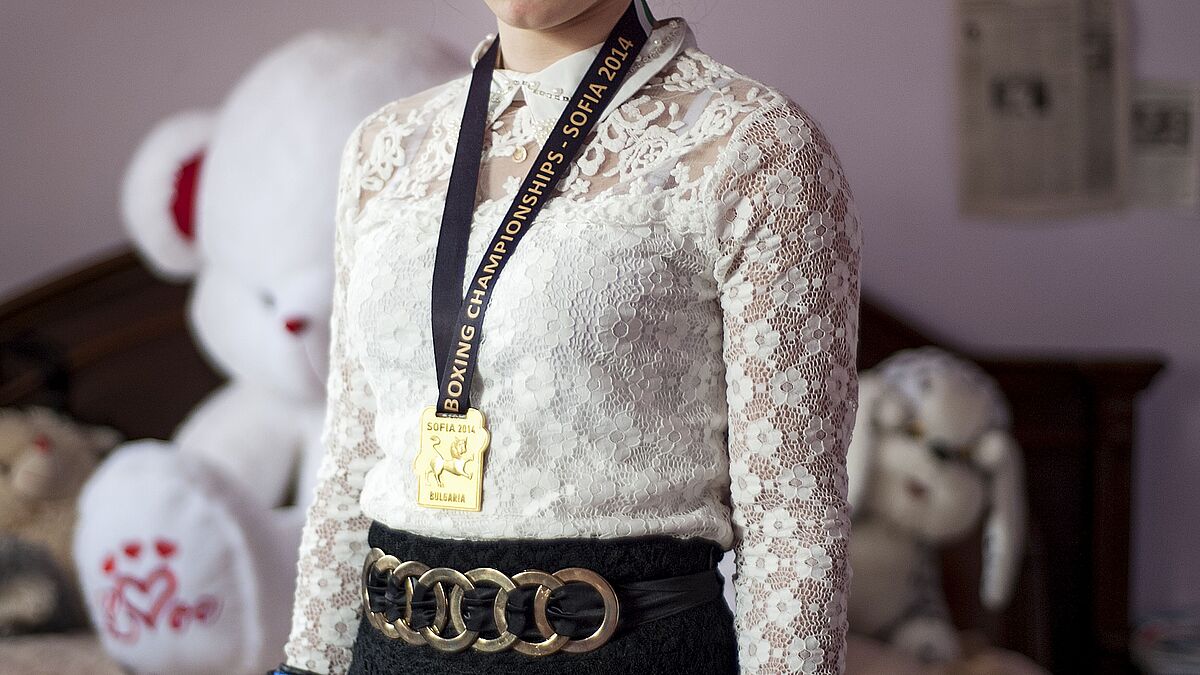
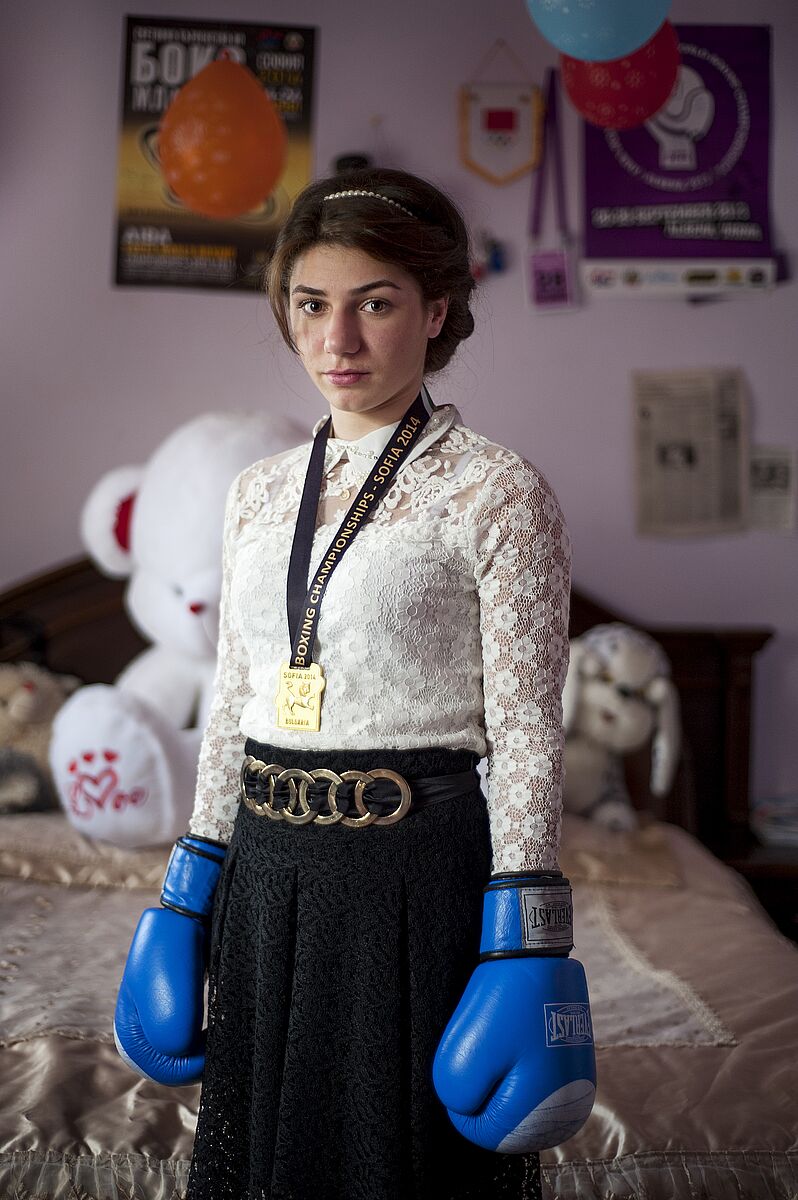
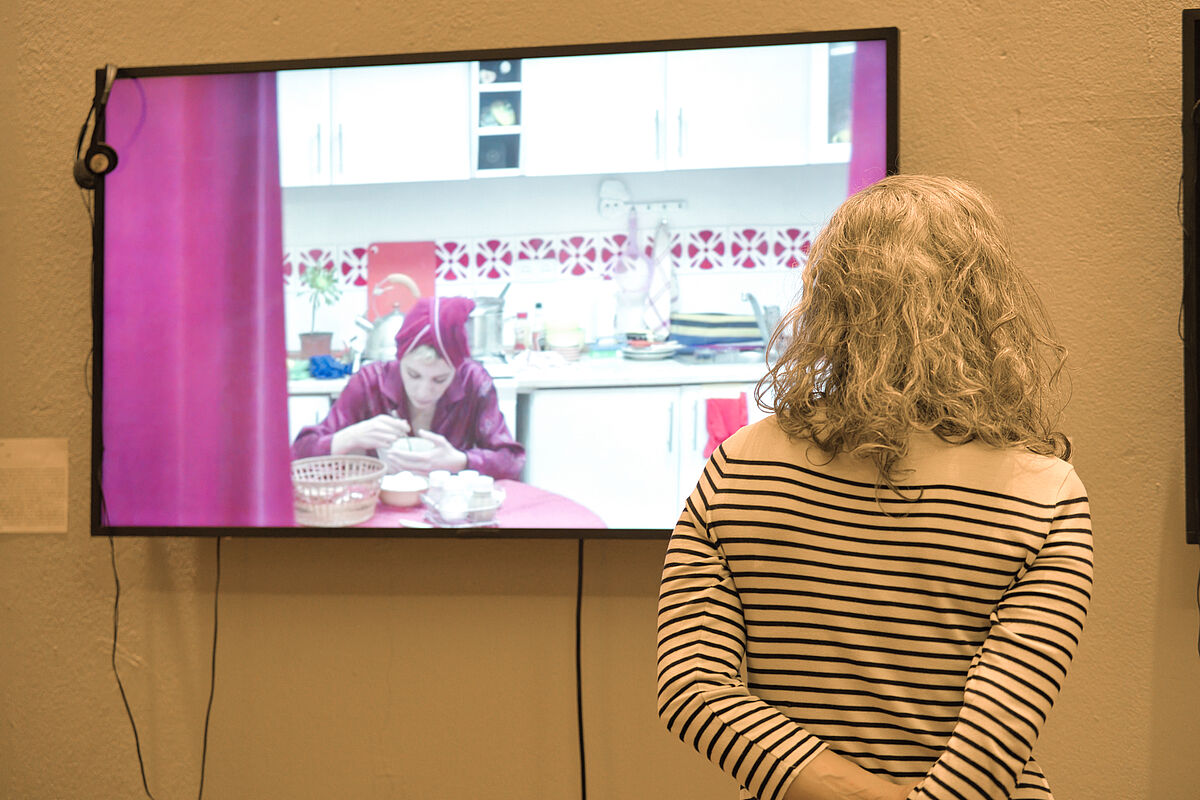
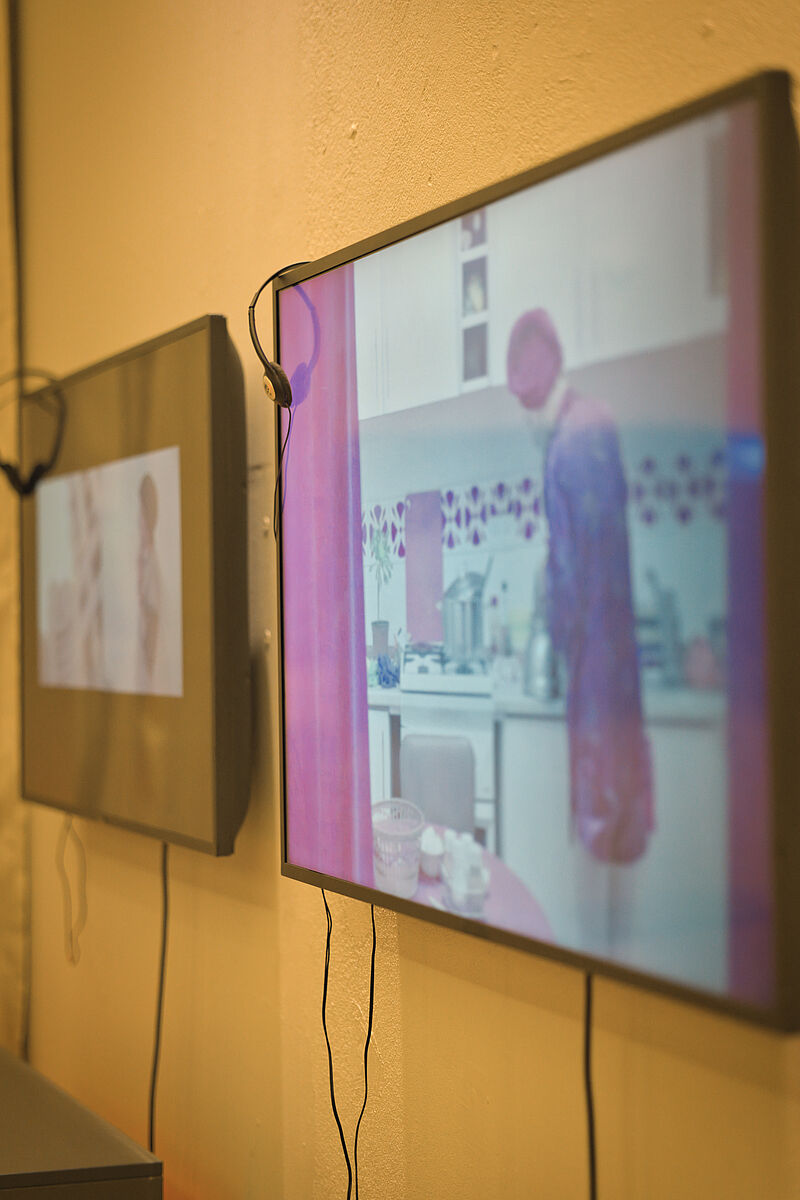
DISRUPTIVE LENS vereint acht Künstler:innen. Nicht alle verstehen sich im programmatischen Sinne als Feminist:innen – und gerade das ist aufschlussreich. Die Ausstellung zeigt, wie stark feministische Denkweisen die zeitgenössische armenische Kunst geprägt haben und Praktiken sowie Sensibilitäten beeinflussen, die weit über explizite politische Positionierungen hinausgehen. Die Arbeiten bieten einen lebendigen Ausschnitt dieser Entwicklung und verdeutlichen die zentrale Rolle der Kamera für die weibliche Perspektive sowie die bemerkenswerte Vielfalt weiblicher Stimmen in der zeitgenössischen armenischen Kunst.
Mit:
KARINE MATSAKYAN
DIANA HAKOBYAN
SONA ABGARYAN
ARMINE HOVHANNISYAN
TSOMAK (Armine Oganesova)
OVSANNA SHEKOYAN
MARY MIKAELYAN
SILVINA DER-MEGUERDITCHIAN
Mit Fotografien von: Yerkanyan Nvard und Armenakian Nazik
Kuratiert von Vigen Galstyan
The collapse of the Soviet Union in 1991 triggered not only a new geo-political order, but seismic transformations in art worlds across the former socialist territory. In newly-independent Armenia, previously marginal or underground practices and media rapidly moved to the forefront of a vibrant contemporary art scene. Among the tendencies that emerged in this period of intense experimentation, video-based practices and feminist perspectives stand as the most definitive markers of a radical break with the traditions of 'national' and modern Armenian art.
Though moving image practices appeared in Armenia as early as the 1970s, they only gained real momentum in the mid-1990s with the spread of consumer video technology. The camera's qualities were a natural fit for the anarchic, anti-establishment spirit of early post-Soviet art. Unsurprisingly, it was embraced with particular enthusiasm by women artists, who found in its visceral, conceptual possibilities a powerful counter to the elitism of male-dominated fine arts traditions.
The first wave of video works by artists such as Karine Matsakyan, Sona Abgaryan, and Diana Hakobyan mirrors the fragmentation and uncertainty that defined Armenian society and its art scene at the turn of the century. At the heart of this work is the body — most often the artist's own — used as a site of critique and resistance. By placing their own subjectivity in direct opposition to patriarchal and neo-liberal social structures, these artists turned self-representation into an act of defiance.
Explicitly feminist frameworks, however, took longer to surface. It was only in the early 2000s, through the work of emerging female curators, critics and collectives, that feminist ideas became a visible and deliberate thread in Armenian contemporary art — reflecting a broader shift toward more organised critical practice, driven by engagement with international feminist and queer discourses. The works of Armine Hovhannisyan and musician/performance artist Tsomak exemplify this moment, bringing sharp polemical clarity to questions of labour, sexual identity, and societal oppression.
More recent political upheavals — the 2018 Velvet Revolution and the 2020 war in Artsakh — have left their mark on a younger generation. Multidisciplinary artists such as Ovsanna Shekoyan and Mery Mikaelyan have moved away from the overt politics of their predecessors toward more personal, intersectional explorations of female subjectivity. Rather than dwelling on sociological grievance or political symptoms, their work opens up a more reflective, dialogical space — one in which women's experiences become a means of imagining alternative ways of living with the weight of history and the ambivalences of the future. In their hands, the medium itself has evolved into a more intricate, interdisciplinary mechanism, fluidly oscillating between literature, performance and cinema.
DISRUPTIVE LENS brings together eight artists whose work spans this entire arc. Not all identify as feminist in any programmatic sense — and that itself is telling. It speaks to how deeply feminist thinking has shaped Armenian contemporary art, influencing practices and sensibilities far beyond the boundaries of explicit political commitment. The works here offer a partial but vivid picture of that story, revealing the camera's centrality in enabling the female gaze and testifying to the remarkable diversity of women's voices in contemporary Armenian art.
With:
KARINE MATSAKYAN
DIANA HAKOBYAN
SONA ABGARYAN
ARMINE HOVHANNISYAN
TSOMAK (Armine Oganesova)
OVSANNA SHEKOYAN
MARY MIKAELYAN
SILVINA DER-MEGUERDITCHIAN
Photographs by:
Yerkanyan Nvard and Armenakian Nazik
Curated by:
Vigen Galstyan
Gefördert durch die Stiftung West-Östliche Begegnungen und das Referat Internationale Zusammenarbeit.
Deutsche Version siehe unten:
Der Zusammenbruch der Sowjetunion im Jahr 1991 löste nicht nur eine neue geopolitische Ordnung aus, sondern auch tiefgreifende Umbrüche in der Kunstwelt der ehemaligen sozialistischen Staaten. Im neu unabhängigen Armenien rückten zuvor marginalisierte oder im Untergrund existierende Praktiken und Medien rasch ins Zentrum einer lebendigen zeitgenössischen Kunstszene. Unter den Strömungen, die in dieser Phase intensiver Experimentierfreude entstanden, gelten videobasierte künstlerische Arbeiten und feministische Perspektiven als die deutlichsten Zeichen eines radikalen Bruchs mit den Traditionen einer „nationalen“ und der „modernen“ armenischen Kunst.
Obwohl bewegte Bilder in Armenien bereits in den 1970er-Jahren auftauchten, gewannen sie erst Mitte der 1990er-Jahre mit der Verbreitung erschwinglicher Videotechnologie deutlich an Dynamik. Die Eigenschaften der Kamera passten ideal zum anarchischen, subversiven Geist der frühen postsowjetischen Kunst. Wenig überraschend wurde sie besonders von Künstlerinnen begeistert aufgegriffen, die in ihren unmittelbaren, konzeptuellen Möglichkeiten ein kraftvolles Gegengewicht zu den elitären männlich dominierten Kunsttraditionen fanden.
Die erste Welle von Videoarbeiten von Künstlerinnen wie Karine Matsakyan, Sona Abgaryan und Diana Hakobyan spiegelt die Fragmentierung und Unsicherheit wider, die die armenische Gesellschaft und ihre Kunstszene an der Schwelle zum 21. Jahrhundert prägten. Im Zentrum dieser Arbeiten steht der Körper – meist der eigene der Künstlerin – als Ort von Kritik und Widerstand. Indem sie ihre eigene Subjektivität in direkten Gegensatz zu patriarchalen und neoliberalen gesellschaftlichen Strukturen setzen, verwandelten diese Künstlerinnen Selbstrepräsentation in einen Akt der Auflehnung.
Explizit feministische Konzepte traten jedoch erst später hervor. Erst in den frühen 2000er Jahren wurden feministische Ideen durch die Arbeit aufstrebender Kuratorinnen, Kritikerinnen und Kollektive zu einem sichtbaren und bewussten roten Faden in der armenischen zeitgenössischen Kunst – was einen breiteren Wandel hin zu einer besser organisierten kritischen Praxis widerspiegelte, angetrieben durch die Auseinandersetzung mit internationalen feministischen und queeren Diskursen. Die Werke von Armine Hovhannisyan sowie der Musikerin und Performancekünstlerin Tsomak veranschaulichen diesen Moment und bringen scharfsinnige Klarheit in Fragen der Arbeit, der sexuellen Identität und der gesellschaftlichen Unterdrückung.
Jüngere politische Umwälzungen – die Samtene Revolution von 2018 und der Krieg in Arzach im Jahr 2020 – haben eine jüngere Generation geprägt. Multidisziplinäre Künstlerinnen wie Ovsanna Shekoyan und Mery Mikaelyan haben sich von der offen politischen Ausrichtung ihrer Vorgängerinnen entfernt und wenden sich stärker persönlichen, intersektionalen Erkundungen weiblicher Subjektivität zu. Anstatt sich auf soziologische Missstände oder politische Symptome zu konzentrieren, eröffnen ihre Arbeiten einen reflektierteren, dialogischen Raum. Die Erfahrungen von Frauen werden zu einem Mittel für alternative Formen des Umgangs mit der Last der Geschichte und den Ambivalenzen der Zukunft. Durch sie hat sich das Medium selbst zu einem komplexeren, interdisziplinären Mechanismus entwickelt, der fließend zwischen Literatur, Performance und Kino oszilliert.